

Shanghai International Circuit 2026
Round 2 · Shanghai, China
Round 2 · Result
Chinese Grand Prix
 Shanghai, ChinaMar 13–15
Practice 1
- 1
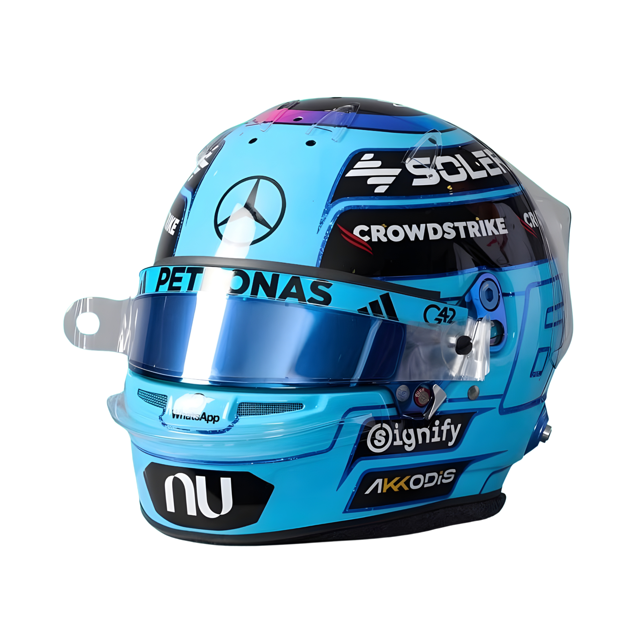 RUS1:32.741
 - 2
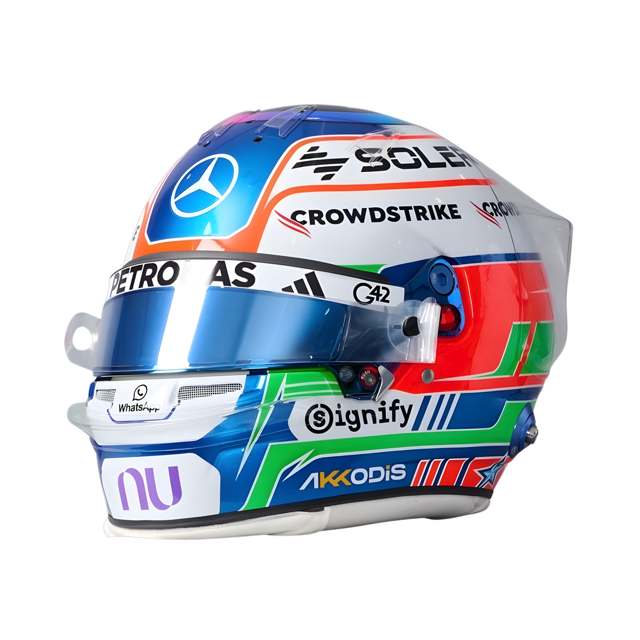 ANT+0.120
 - 3
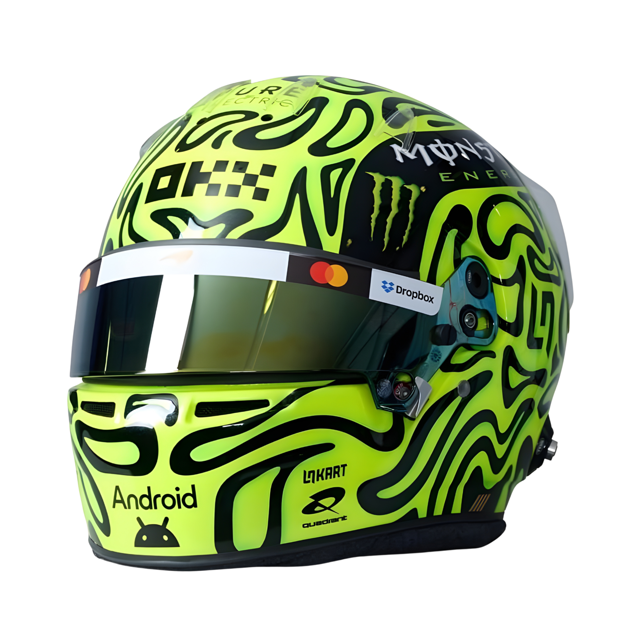 NOR+0.555
Sprint Qualifying
- 1RUS1:31.520
- 2ANT+0.289
- 3NOR+0.621
Sprint
- 1RUS33:38.998
- 2
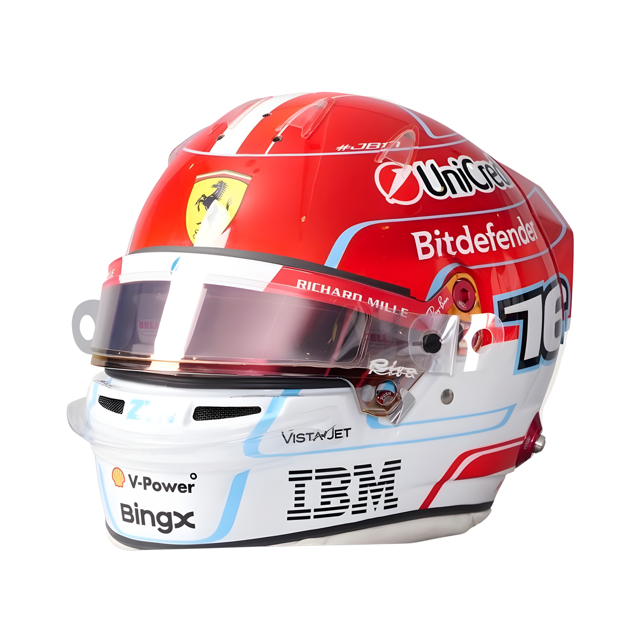 LEC+0.674
 - 3
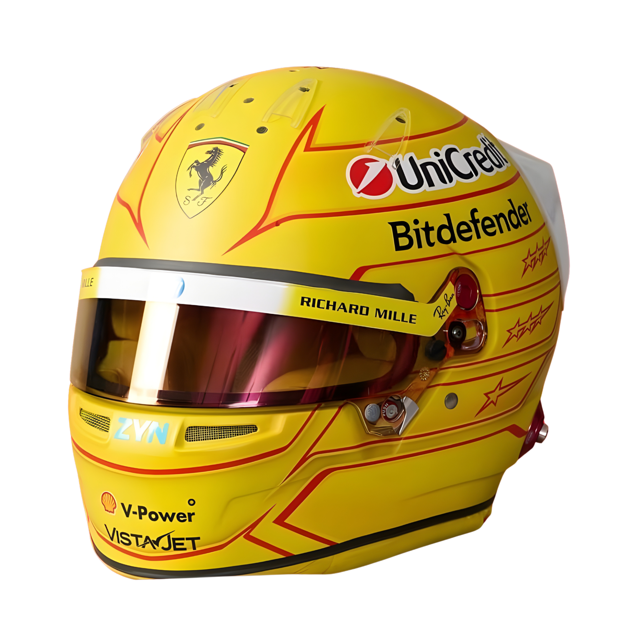 HAM+2.554
Qualifying
- 1ANT1:32.064
- 2RUS+0.222
- 3HAM+0.351
Race
- 1ANT1:33:15.607
- 2RUS+5.515
- 3HAM+25.267
Antonelli Announces Himself as Mercedes Dominate in Shanghai
Pre-Race Drama: Grid Problems Before the Lights
The 2026 Chinese Grand Prix had barely begun before the race had already delivered its first shocks.
As the cars assembled on the grid at the Shanghai International Circuit, two of the sport's biggest contenders were suddenly absent. Both McLaren drivers — Lando Norris and Oscar Piastri — failed to start after electrical failures struck before lights out.
More trouble followed before the formation was complete. Gabriel Bortoleto and Alex Albon were also unable to take the start, leaving several empty slots on the grid and reducing the field before a racing lap had even begun.
At the front, however, one story dominated the build-up. Kimi Antonelli, the Mercedes rookie sensation, sat on pole position, preparing to lead the field into Turn 1.
Few suspected they were about to witness the first Formula 1 victory of a new star.
Lap 1–4: Hamilton Strikes First
When the lights went out, the launch off the line was explosive.
Lewis Hamilton, now in Ferrari red, made a superb getaway and swept past Antonelli into Turn 1, briefly taking the lead and giving Ferrari the perfect start in Shanghai.
Behind them, the pack streamed through the opening corners in tight formation. George Russell settled into third for Mercedes, while the midfield began to form into the usual DRS trains of the opening laps.
But Antonelli was not prepared to surrender the lead for long.
Within the opening phase, the young Italian fought back with composure and precision, reclaiming first place from Hamilton and beginning to show the pace that had earned him pole.
Lap 5–9: Early Rhythm and a First Strategic Gamble
As the race settled into its early rhythm, Antonelli began to edge clear at the front, while Hamilton and Russell tried to stay in touch.
Tyre wear appeared slightly higher than expected, and teams quickly began to think about whether an undercut might become a factor.
Further back, Max Verstappen was struggling to make progress in a difficult car. Rather than wait for the race to come to him, Red Bull rolled the dice and brought him into the pits early on lap 9, committing to an alternative strategy in the hope of recovering ground later.
It was the first clear hint that Shanghai would become as much a strategic contest as a flat-out sprint.
Lap 10–14: Safety Car Resets the Race
The first major turning point arrived on lap 10.
Lance Stroll slowed with a battery issue, forcing his Aston Martin to retirement and bringing out the Safety Car.
The response from the pit wall was immediate. Teams flooded into the pit lane to take advantage of the reduced time loss under caution.
Mercedes handled the moment beautifully, executing a clean double-stack stop that kept Antonelli and Russell firmly in control of the race at the front. Ferrari responded in kind, ensuring Hamilton remained close enough to stay in contention.
When the Safety Car peeled away on lap 14, the field had been compressed once again, and the Grand Prix was effectively starting over.
Lap 15–24: Antonelli Takes Command
Antonelli's restart was flawless.
The Mercedes driver launched perfectly out of the final corner, controlled the run to Turn 1, and immediately began stretching a small cushion over those behind him.
Russell, now directly behind, began to apply pressure to Hamilton as Mercedes sensed the opportunity for a one-two finish. Hamilton, though, defended with all the racecraft expected of a seven-time world champion, placing the Ferrari carefully through Shanghai's slower corners and refusing to offer Russell an easy opening.
Just behind them, Charles Leclerc was beginning to close in, meaning Ferrari had two cars in the fight — but also the potential for internal tension if the order became too tight.
At the front, Antonelli looked increasingly assured. Every lap added to the sense that this was no ordinary rookie performance.
Lap 25–28: Ferrari's Fight Costs Them Dearly
The tension inside Ferrari finally spilled onto the track around lap 25.
Leclerc had caught Hamilton, and the two red cars soon found themselves fighting for the same stretch of asphalt. Along Shanghai's long back straight and into the heavy braking zone, the Ferrari teammates went wheel-to-wheel, neither driver willing to surrender the place.
It made for compelling racing, but it came at a cost.
While Ferrari's attention turned inward, George Russell took full advantage. On lap 28, the Mercedes driver slipped past Hamilton and moved into second place, restoring Mercedes' grip on the top two positions.
It was one of the decisive moments of the afternoon. Ferrari had entertained, but Mercedes had been clinical.
Lap 29–38: Reliability Begins to Bite
As the race moved beyond halfway, Shanghai became increasingly unforgiving on machinery.
Fernando Alonso, who had been circulating with decent pace earlier in the race, began reporting heavy vibration through his Aston Martin. The issue worsened to the point that retirement became unavoidable, cutting short what had looked like a promising afternoon.
Further down the field, Oliver Bearman was quietly piecing together one of the drives of the race. The Haas driver climbed steadily up the order and placed himself firmly in contention for a top-five finish.
At the front, meanwhile, the race began to settle. Antonelli managed the pace from Russell, while Hamilton held Leclerc behind after Ferrari's internal battle. The margins were stable, but the pressure never fully disappeared.
Lap 39–46: Verstappen's Afternoon Ends Early
Max Verstappen's difficult race eventually came to a disappointing end.
After spending much of the Grand Prix wrestling with balance issues and trying to make an offset strategy work, the Red Bull driver suffered a technical failure and was forced to retire in the closing stages.
It was a frustrating conclusion to a race that had never quite come alive for the reigning champion, and it removed one of Formula 1's most dangerous late-race threats from the equation.
With Verstappen gone, attention turned fully back to the fight at the front — and to whether Antonelli could keep his composure under growing scrutiny.
Lap 47–55: A Rookie Under Pressure
Russell pushed hard in the closing laps, doing all he could to force Antonelli into a mistake.
The gap hovered within reach, and Mercedes encouraged both drivers to look after their tyres while threading through lapped traffic. That balance — preserving the rubber while maintaining enough pace to protect position — often separates potential winners from actual winners.
Antonelli handled it brilliantly.
Even a late lock-up did little to disrupt his rhythm. Each time Russell seemed to gain a fraction, Antonelli responded with another controlled, quick lap. There was no panic, no obvious overdriving, and no sign that the moment was overwhelming him.
For a rookie chasing a first Grand Prix win, it was a display of maturity far beyond his years.
Lap 56: A Star Is Born in Shanghai
As the field began the final lap, the outcome at the front was finally clear.
Antonelli rounded the final sequence of corners cleanly and powered down the main straight to take the chequered flag, claiming his first Formula 1 victory in memorable style.
Behind him, George Russell completed a Mercedes one-two, underlining the team's dominance across the afternoon.
Lewis Hamilton finished third, securing his first podium for Ferrari, while Leclerc followed in fourth after the pair's costly mid-race battle.
Bearman capped an excellent performance with fifth place, sealing a hugely encouraging result for Haas.
But the day belonged to Antonelli.
In Shanghai, under pressure, against proven race winners, the Mercedes rookie delivered the performance of a future champion and announced himself to Formula 1 in the most emphatic way possible.
Top Five Finishers
- Kimi Antonelli – Mercedes
- George Russell – Mercedes
- Lewis Hamilton – Ferrari
- Charles Leclerc – Ferrari
- Oliver Bearman – Haas
Race Takeaway
The Chinese Grand Prix felt like a significant moment in the early shape of the 2026 Formula 1 season.
Mercedes did not just win — they controlled the race with authority. Ferrari showed flashes of pace and promise, but internal battling cost them dearly at a crucial point. McLaren's afternoon was ruined before it began. Verstappen never got the race he needed.
And in the middle of it all, Kimi Antonelli delivered a breakthrough victory that could prove to be far more than a one-off headline.
Shanghai may yet be remembered as the day Formula 1 saw its next major star truly arrive.