

Suzuka Circuit 2026
Round 3 · Suzuka, Japan
Round 3 · Result
Japanese Grand Prix
 Suzuka, JapanMar 27–29
Practice 1
- 1
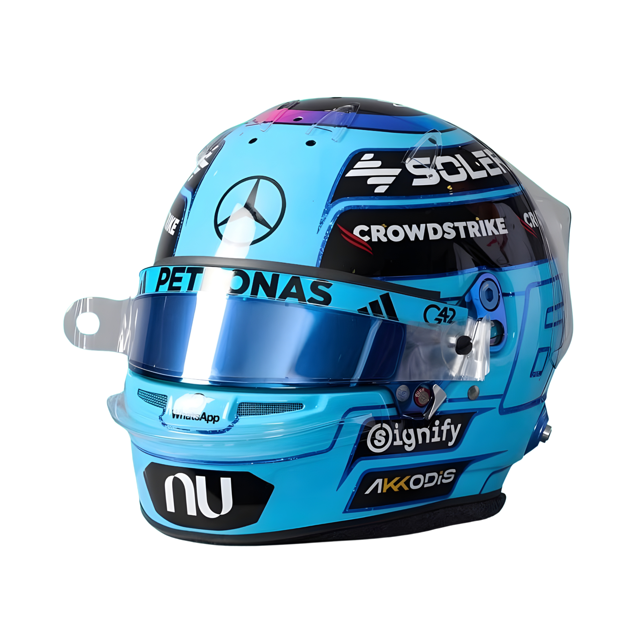 RUS1:31.666
 - 2
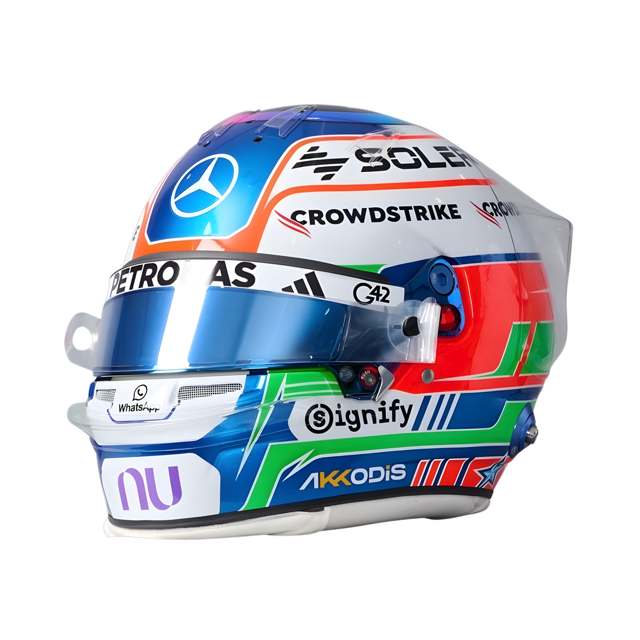 ANT+0.026
 - 3
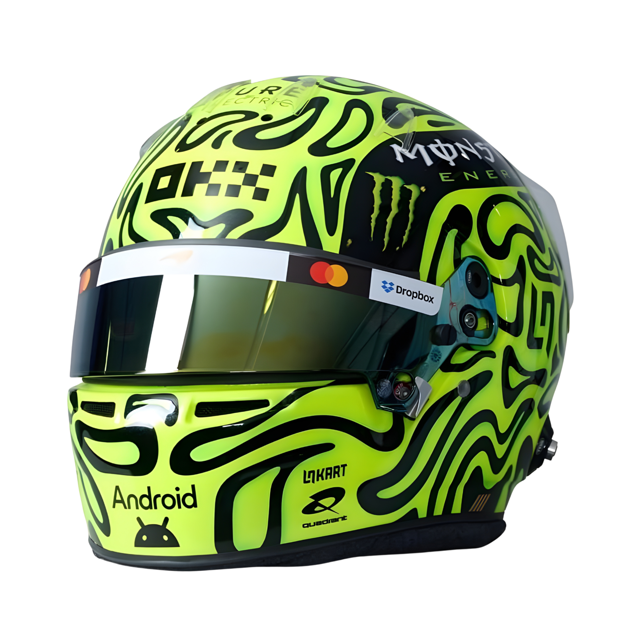 NOR+0.132
Practice 2
- 1
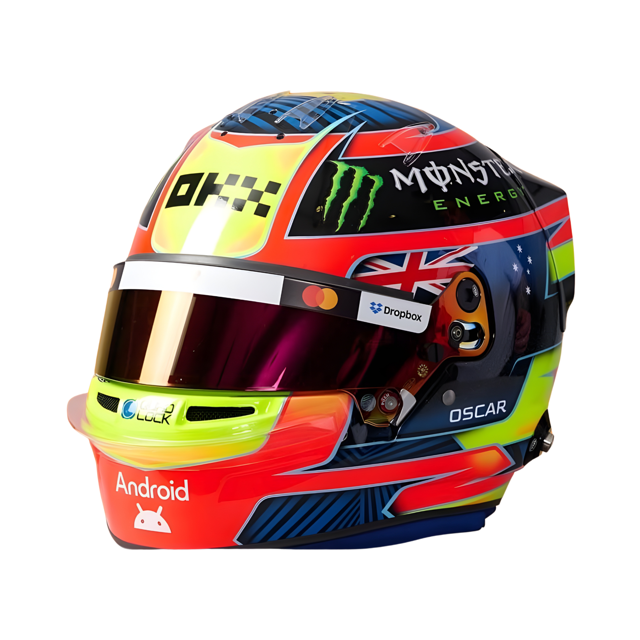 PIA1:30.133
 - 2ANT+0.092
- 3RUS+0.205
Practice 3
- 1ANT1:29.362
- 2RUS+0.254
- 3
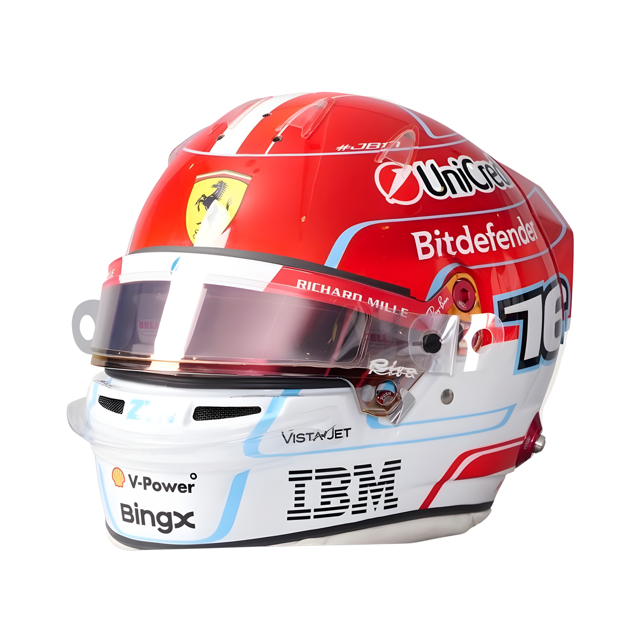 LEC+0.867
Qualifying
- 1ANT1:28.778
- 2RUS+0.298
- 3PIA+0.354
Race
- 1ANT1:28:03.403
- 2PIA+13.722
- 3LEC+15.270
Antonelli Recovers from a Poor Start to Win a Strategic Japanese Grand Prix
Pre-Race: Mercedes Start at the Front, McLaren Loom Close Behind
Mercedes arrived at Suzuka with momentum and locked out the front row for the race, with Kimi Antonelli starting from pole and George Russell alongside him. McLaren looked well placed to challenge, with Oscar Piastri ready to attack if the run to Turn 1 opened up, while Ferrari’s Charles Leclerc sat close enough to punish any mistake from the two silver cars ahead.
Suzuka is a circuit that rewards rhythm, precision and bravery, but it also punishes hesitation more quickly than almost any other track on the calendar. That made the start especially important. By the time the field reached the opening complex, the race had already changed shape.
Lap 1: Piastri Makes the Move, Antonelli Falls Back
When the lights went out, Piastri launched superbly and immediately turned opportunity into position. He surged ahead into Turn 1, making the best getaway of the leading group and snatching control of the race before the field had completed the opening sector.
Antonelli’s start, by contrast, was poor. The Mercedes polesitter lost momentum off the line and was quickly swallowed up, tumbling down the order to sixth by the end of the opening lap. Russell also lost ground in the initial scramble, while Leclerc emerged strongly near the front. What had looked like a straightforward chance for Mercedes to control the afternoon had suddenly become a recovery job.
Laps 2–10: Piastri Settles, Antonelli Rebuilds
Once the field settled into its early rhythm, Piastri did exactly what a race leader needs to do at Suzuka. He managed the pace cleanly, hit his marks through the flowing first sector, and began trying to build the kind of calm, controlled advantage that can define a race before strategy starts to intervene.
Behind him, Antonelli’s response was composed. There was no sense of panic, only a careful rebuilding of his afternoon. Rather than forcing desperate moves, he worked his way back into contention with measured overtaking and strong pace. By lap 10, he had kept himself close enough to the leaders that the race still felt recoverable, even if McLaren appeared to have the upper hand at that stage.
Laps 11–20: Strategy Starts to Split the Field
As the opening stint developed, the focus shifted from launch and positioning to tyre life and pit wall judgement. Russell was among the notable frontrunners to stop earlier, Mercedes attempting to use strategy to regain what had been lost in the opening seconds. Other teams around him also began to commit, sensing that undercut pressure could become increasingly important.
Antonelli, however, stayed out. Mercedes chose not to react too early, instead extending his stint and preserving the chance that the race might swing later. It was a decision that carried risk. If nothing interrupted the flow of the Grand Prix, Piastri would remain in command and those who had already stopped might gain the upper hand. But by leaving Antonelli on track, Mercedes kept a strategic door open.
Lap 22: Bearman’s Crash Changes Everything
The decisive moment arrived on lap 22. Oliver Bearman crashed heavily at Spoon Curve, one of Suzuka’s fastest and least forgiving sections, bringing the race’s first major interruption. Debris and the severity of the incident made the response immediate and unavoidable.
The Safety Car was deployed, and in that instant the race was transformed. Piastri’s controlled lead was neutralised, the field compressed, and the value of every earlier strategic decision was suddenly reassessed. For drivers who had not yet stopped, the interruption offered a huge opportunity. For those who had already committed, it threatened to undo much of their planning.
Laps 23–26: Antonelli Takes Full Advantage
Antonelli was perfectly placed to benefit. With his first stop still to make, he was able to dive into the pits under Safety Car conditions and lose far less time than he would have under normal racing speed. In one sequence, the race that had seemed to be slipping away after lap 1 swung decisively back toward him.
Russell, having already stopped, found himself on the wrong side of the timing. Piastri had done almost everything right in the first phase of the race, but the neutralisation blunted the advantage he had built. As the field queued behind the Safety Car, Antonelli’s long opening stint had turned from a tactical possibility into the winning move of the race.
Lap 27: The Restart Is Clean and Controlled
When the Safety Car peeled away, Antonelli handled the restart exactly as Mercedes needed. He accelerated cleanly out of the final corner, protected the run to Turn 1, and denied Piastri any immediate chance to attack. At a circuit where overtaking is often difficult once the order settles, that restart was one of the most important moments of the afternoon.
From there, the race entered a new phase. Piastri was no longer the man dictating events from the front. Instead, he was the chaser, trying to stay close enough to keep pressure on Antonelli while knowing Suzuka offers only limited opportunities to reverse the order once track position is lost.
Laps 28–40: Antonelli Turns Track Position into Control
With clear air ahead, Antonelli began to convert position into authority. He did not disappear instantly, but lap by lap he edged the Mercedes further clear, first breaking immediate pressure and then stretching the gap beyond realistic attacking range. It was a disciplined sequence of laps, driven with the confidence of someone far more experienced than his age would suggest.
Piastri remained second and continued to run strongly, but the complexion of the race had changed too much for him to recover the initiative. Leclerc settled into third, delivering a steady Ferrari drive without quite threatening the McLaren ahead. Russell, meanwhile, recovered well to move back toward the front after his earlier strategic setback, ensuring Mercedes still emerged with a powerful overall result.
Laps 41–53: No Late Twist, Only Execution
The final stint became a test of composure more than aggression. Antonelli no longer needed to force the issue. His task was to protect the tyres, avoid even the smallest error through Suzuka’s punishing high-speed changes of direction, and keep the pace high enough to leave no opening behind him.
He did that impressively. Rather than merely hanging on, Antonelli continued to control the race and gradually stretched his margin. Piastri held second, unable to mount a meaningful late challenge, while Leclerc completed the podium. By the chequered flag, Antonelli had won by 13.722 seconds, underlining that although strategy put him in position, his pace in the closing stages made the result convincing.
Lap 53: Antonelli Completes the Recovery
When Antonelli took the chequered flag at the end of lap 53, he completed one of the most impressive recoveries of the season so far. Pole position had been wasted within seconds of lights out, and yet he left Suzuka not only with victory, but with a win that looked increasingly authoritative the deeper the race went.
Piastri had the better launch and the stronger opening phase. But Antonelli absorbed the damage, stayed patient, benefited fully when the race came back to him, and then executed the second half with remarkable calm. At Suzuka, that blend of opportunism and control is often the difference between a podium and a win.
Top 10 Finishers
- Kimi Antonelli – Mercedes
- Oscar Piastri – McLaren
- Charles Leclerc – Ferrari
- George Russell – Mercedes
- Lando Norris – McLaren
- Lewis Hamilton – Ferrari
- Pierre Gasly – Alpine
- Max Verstappen – Red Bull Racing
- Liam Lawson – Racing Bulls
- Esteban Ocon – Haas
Race Takeaway
The Japanese Grand Prix was decided by three things: a poor start, a perfectly timed strategic opportunity, and the pace to take full advantage of it. Antonelli did not dominate from lights to flag, but in some ways that made the win even more impressive. He had to recover mentally and tactically before he could recover on track.
For McLaren, there was frustration in seeing a race that had started so well slip away under Safety Car conditions. For Mercedes, there was satisfaction not only in the victory itself, but in the calmness with which driver and team responded after lap 1 had threatened to derail the entire afternoon. Suzuka offered a reminder that Grand Prix wins are not always built on perfect beginnings. Sometimes they are built on how well a driver responds when things go wrong.